

To build something new, you must first tear down the existing. This is especially true for the kitchen, laundry room, or bathroom. Demolition of compact spaces presents numerous challenges that can only be handled by experienced professionals. Out of all the challenges, dust control is the one that deserves the most attention.
At Small Space Demolition, we work with contractors, builders, and homeowners to ensure effortless demolition of compact spaces, while giving dust control the highest importance. If you are wondering why dust management in demolition is important, especially in internal spaces, read this blog until the end.
Demolition of internal walls and partitions accounts for the largest amount of dust release. Silica, found in construction materials like concrete, brick, stone, mortar, plasterboard, and tile, poses a safety hazard and must be dealt with urgently. This is where dust management in demolition proves to be useful.
Tiles are held together with the help of grout and adhesive, which get exposed to the air during the dismantling process. Most plumbing fixtures are hidden within the walls. Be it plasterboard, cement, or bricks, when broken or disturbed to get to the plumbing fixtures, they become a heavy source of dust.
Dispersion of fine dust particles is common when stripping kitchen fittings such as cabinetry, benchtops, ceiling panels, or wooden boards. The ceiling is one of the largest surface areas in any compact room. This makes it the largest contributor of dust during internal demolition.
Dust, debris, grime, and mould get exposed to the air when ripping carpet or subflooring that has existed for many decades. Carpeting and subflooring rely on strong adhesives to keep them firmly stuck to the floor. However, with time, the adhesive stiffens and crumbles during dismantling.
If you are a builder or a contractor, leaving behind a pile of dust and debris doesn’t look quite professional. The clients won’t appreciate the trail of dust inside their homes, polluting not just the area you are working in, but also the others, which the homeowners might still be using. Dust management in demolition is a crucial practice that could protect your reputation as a builder or a contractor.
Breathing in silica and other harmful particles won’t do you or your clients any good. Dust management alleviates health concerns like respiratory issues, eye irritation, and allergic reactions. Minimising airborne contaminants such as silica and asbestos is at the heart of dust management.
Without effective dust containment, harmful silica and dust particles significantly impact the local air quality. As a contractor, you have a moral and legal obligation to minimise the environmental impact during internal demolition. To ensure compliance as well as clean air in and around the demolition site, adhering to dust management practices is important.
When it comes to dust management, we spare no effort. Here are some ways in which we deal with dust during internal demolition.
Floor Protection: Floating dust particles eventually settle on the floor. By using high-quality floor protection covers, we keep the floor from getting dirty. That’s not it! These floor covers also make debris removal effortless. No scope for dust or debris to recirculate in the air.
Containment Zone: We set up zip walls and doors to contain the demolition site. Made of high-quality, durable plastic, the zip walls are an easy, efficient, and quick way to create a barrier around the demolition site.
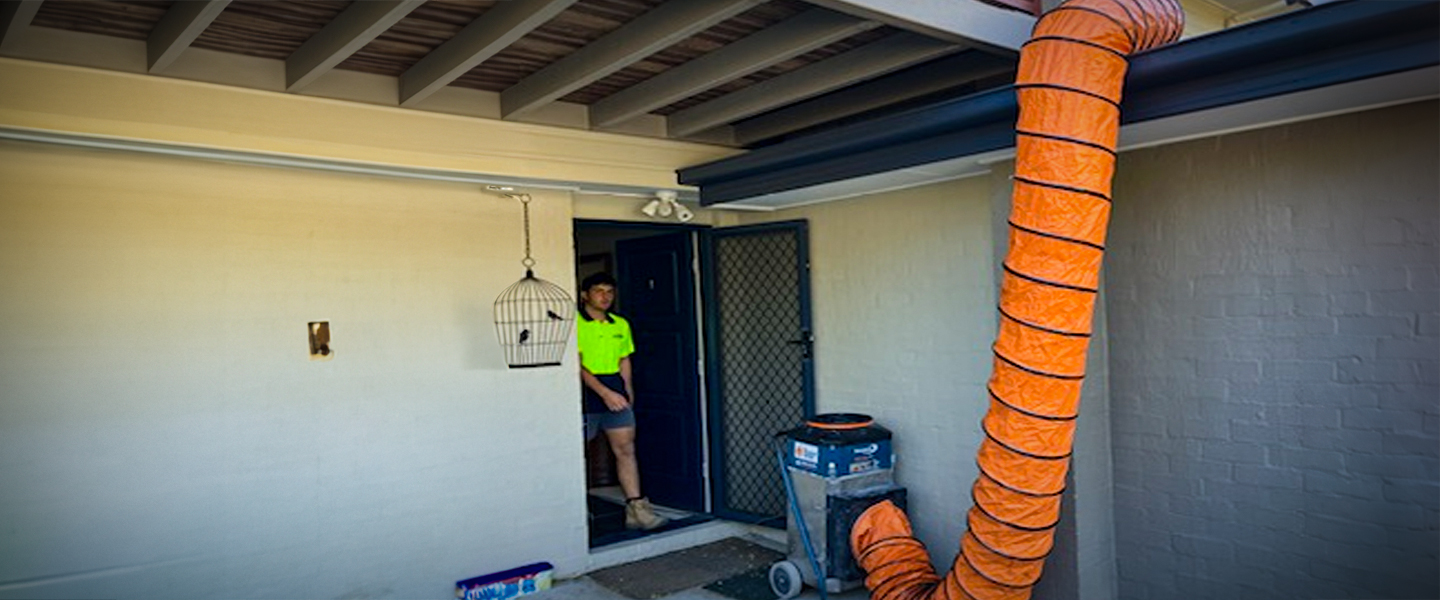
Air Purifier: We use Air Cube air purifiers to trap dust and contaminants during the demolition process. These high-quality air purifiers maintain a safe environment while the work is underway.
Dust Removal: Small Space Demolition uses high-tech vacuum to get rid of dust and particles, leaving a clean, prepped area.
As we explained in this blog, dust control matters in internal demolition. From alleviating health concerns to protecting the environment and demonstrating professionalism, there are many reasons to take dust control measures seriously. Small Space Demolition uses air purifiers, industrial vacuums, floor protection coverings, and zip walls to ensure perfect dust control.
Call 1300 33 66 87 or click here to request a demo today! We are the demo experts in kitchen, laundry, and bathroom demolition. Whether you are a builder or a homeowner, you can work with us, the best small demolition contractors, for unmatched results.
EXCELLENT Based on 4 reviews
 Posted on Google
 Andre Miguel Fernandez100% highly recommend. Everyone at Small Space Demolition are experts at what they do. They did the demolition project well and according to schedule.Posted on Google
 Dirt IndustryGreat service, highly recommend. They did what needs to be done in a timely manner. The whole team exerts professionalism. 100%Posted on Google
 Dean FebenGreat company. They get the job done right ✅️Posted on Google
 Brett Mesken (Brett)Bathroom Demolition... they took care to make sure that the rest of the house was not impacted during the demolition.... they used good extraction for the whole area and on their tools... the area was left clean and tidy after each day and floor protection was use in the hallway... on the last day the place was left very clean with all rubbish and the skip bin was removed.. the tradies were polite and respectful in our home... the company had great communication and let us know about the full process and cost ... once they started it went very quickly Thanks for a great job
May 01, 2023 No Comments
May 01, 2023 No Comments
